
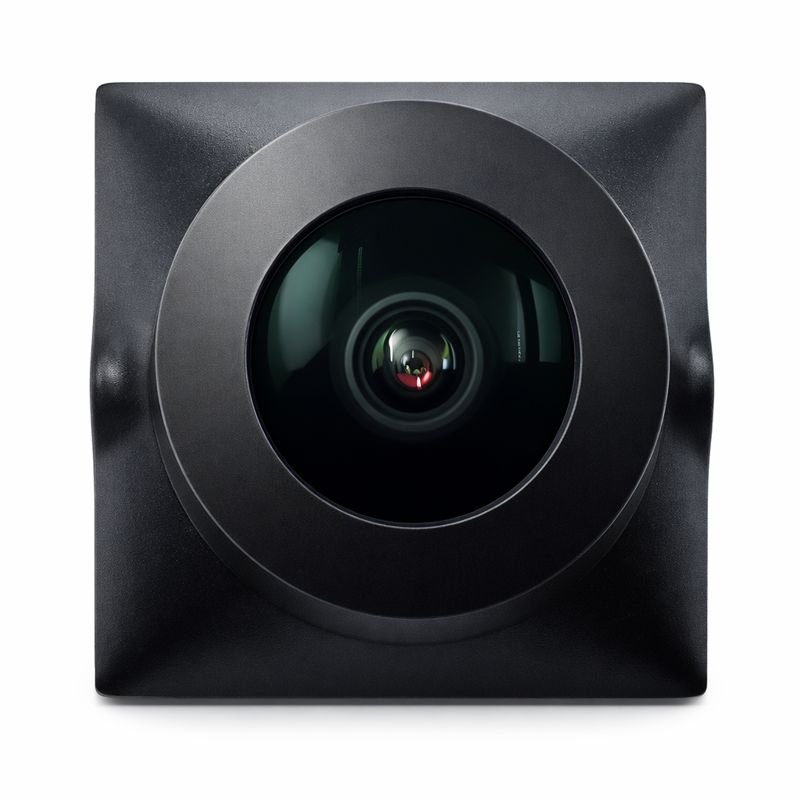
Wide-FOV FPV camera modules are designed for UAV, FPV, robotics, and embedded vision applications where broader scene coverage is required during real-time operation.
Compared with standard viewing-angle cameras, wide-FOV modules help operators or vision systems capture more surrounding context, especially during takeoff, landing, close-range maneuvering, indoor movement, or platform navigation in visually complex environments.
Engineering teams should evaluate wide-FOV camera modules by field coverage, distortion control, mounting position, image usability, latency behavior, voltage input, and receiver-side display workflow after installation.
Why Wide-FOV FPV Camera Modules Are Used
Wide-FOV FPV camera modules are used when limited viewing angles reduce situational awareness during flight, movement, or platform-side operation.
In UAV and FPV applications, a narrow field of view may make it harder to observe surrounding obstacles, terrain changes, lateral motion, or nearby structures. A wider field of view can improve visual coverage, but it must also be evaluated together with distortion control, image clarity, latency behavior, and mounting position.
Key reasons to use a wide-FOV FPV camera module include:
• Expanding visual coverage beyond the central forward view
• Improving spatial awareness during movement or maneuvering
• Reducing blind spots in complex or confined environments
• Supporting operator-side visual feedback during real-time operation
• Helping engineering teams match camera placement to platform geometry
The suitable module should be selected based on field-of-view requirement, platform size, mounting location, image distortion tolerance, voltage input, signal path, and integration workflow.
Design Considerations for Wide-FOV FPV Camera Modules
Wide-FOV FPV camera modules should provide broader visual coverage without making the image difficult to interpret after installation. For UAV, FPV, robotics, and embedded vision systems, a wider viewing angle must be evaluated together with distortion control, image clarity, latency behavior, mounting position, and receiver-side display usability.
Typical engineering considerations include:
• Field-of-view coverage across the required operating area
• Distortion control at the edge of the image
• Stable image output during motion and vibration
• Low and predictable video latency
• Exposure behavior across the full frame
• Mounting position and platform-side geometry
A wide-FOV camera module should not be selected only because the angle is larger. It should be selected when the wider view improves system usability without compromising image interpretation or real-time feedback.
Key Capabilities
• Broader visual coverage for improved situational awareness
• Better perception of lateral movement and surrounding objects
• Reduced blind spots in compact or visually complex environments
• Stable image output during dynamic platform movement
• Low-latency video feedback for FPV operation
• Integration fit for mounting, voltage input, signal path, and receiver-side workflow
Typical Applications
Wide-FOV FPV camera modules are typically used when the platform needs broader scene context during real-time operation.
Common application scenarios include:
• FPV flight where surrounding awareness is important
• UAV takeoff, landing, and close-range maneuvering
• Indoor, enclosed, or confined-space navigation
• Robotics or mobile platforms requiring wider visual coverage
• Engineering validation where camera placement and field coverage must be matched to platform geometry
The suitable module should be selected based on field-of-view requirement, distortion tolerance, mounting location, voltage input, signal path, and integration workflow.
Wide-FOV FPV Camera Module Options
This category includes wide-FOV FPV camera modules for UAV, FPV, robotics, and embedded vision applications where broader scene coverage, spatial awareness, and real-time visual feedback are required.
Models can be compared by field of view, sensor size, module size, voltage input, latency behavior, distortion tolerance, mounting position, and integration fit.
Select a model below to review specifications and application guidance.
Primary Wide-FOV FPV Module Options
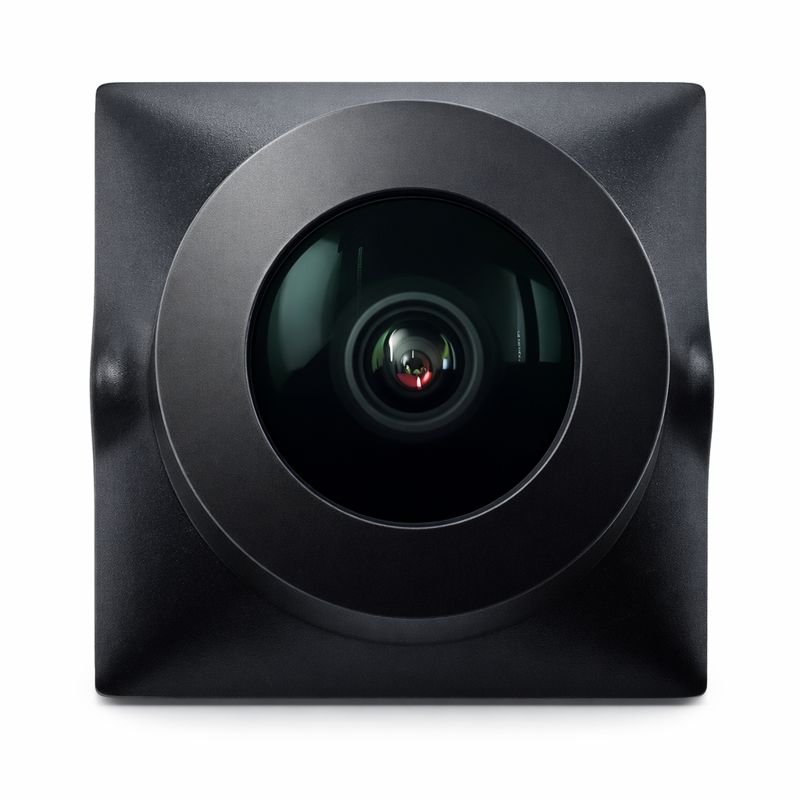
001-I (150°)
Positioning
The 001-I is an ultra-wide FPV camera designed for pilots who need maximum situational awareness during flight.
Key Characteristics
- 150° field of view provides a broad visual coverage, ideal for fast maneuvers and spatial awareness
- 1/2.9″ CMOS sensor with 1800TVL resolution for clear and stable image output
- Optimized low-light performance (F1.8 / 0.01 Lux), suitable for dusk and night environments
- Low latency (≤30 ms), supporting responsive real-time FPV control
- Wide input voltage range (5–40 V), compatible with various power systems
- WDR support helps maintain visibility in complex or backlit scenes
- Low power consumption and minimal heat generation for stable long-term operation
Typical Use Cases
Wide-angle racing or freestyle setups
High-speed FPV flight
Situational awareness–focused navigation
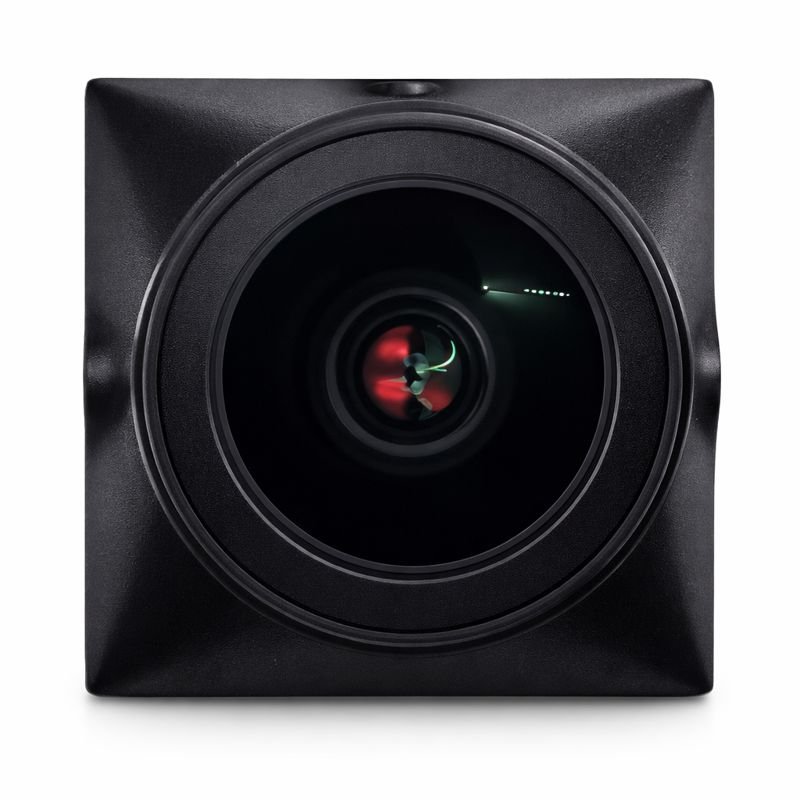
002-I (150°)
Positioning
The 002-I is an entry-level ultra-wide FPV camera offering a large viewing angle with a compact form factor.
Key Characteristics
- 150° field of view for expanded visual perception during flight
- 1/2.8″ CMOS sensor with 1500TVL resolution
- Low-light capability up to F2.0 / 0.5 Lux
- Low latency (≤30 ms) for smooth FPV control
- Wide input voltage range (5–24 V)
- Low power consumption and stable thermal behavior
Typical Use Cases
General FPV applications requiring broad visibility
Beginner or cost-sensitive FPV builds
Wide-angle flight scenarios
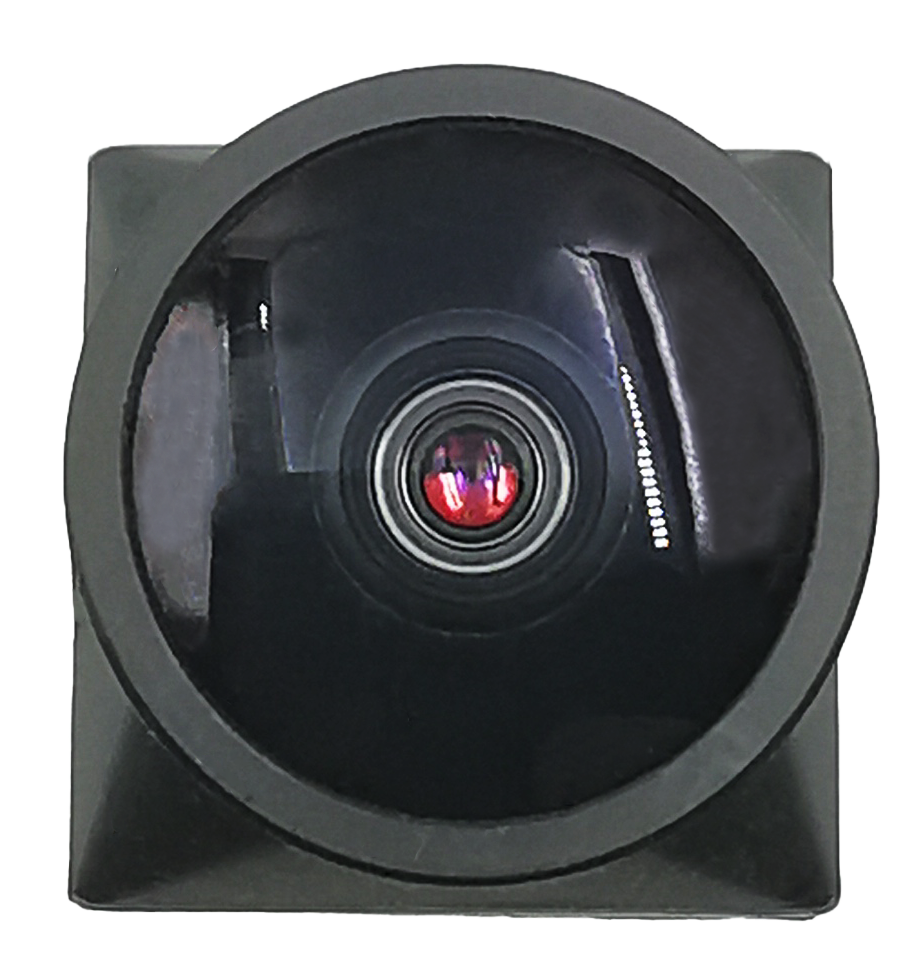
001-N (140°)
Positioning
The 001-N is a compact wide-angle FPV camera designed for lightweight and racing-oriented platforms.
Key Characteristics
- 140° field of view balances wide coverage with reduced distortion
- 1/3″ CMOS sensor with 1200TVL resolution
- Low-light sensitivity up to F2.6 / 0.01 Lux
- Low latency (≤30 ms) suitable for real-time FPV flight
- Wide input voltage range (5–40 V)
- Small size and low power consumption, ideal for space-constrained builds
Typical Use Cases
Lightweight or size-restricted platforms
Racing drones
Compact FPV frames
Wide-Angle Options (Balanced)
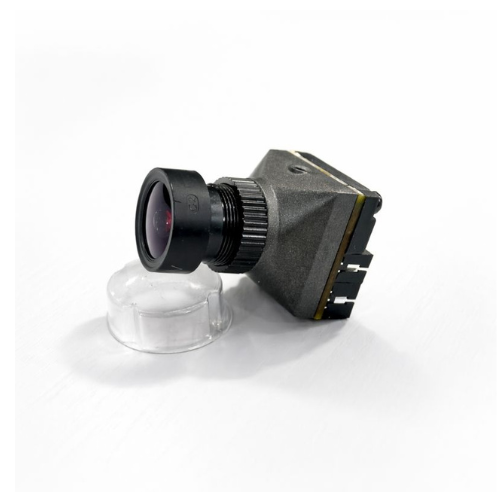
001-M (125°)
002-L (125°)
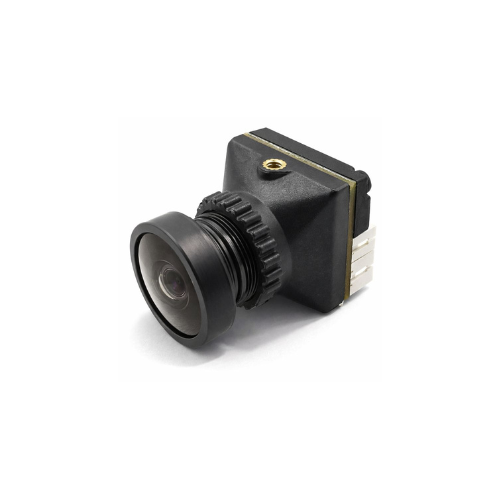
These models are designed to support broader field coverage while maintaining usable image output, low-latency behavior, and integration fit for FPV and UAV platforms.
Need Help Matching a Wide-FOV Camera Module to Your Platform?
Not sure which wide FOV FPV camera best fits your application or platform?
Contact us for application-based recommendations tailored to your requirements.