
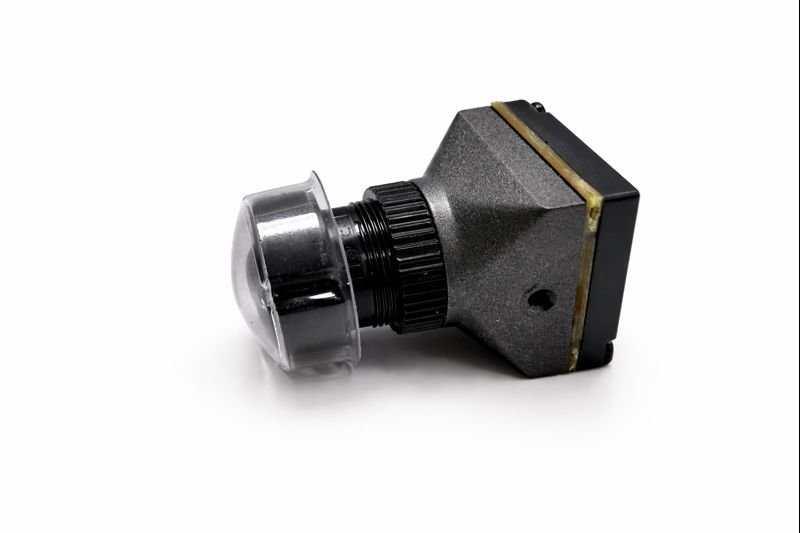
Low-light FPV camera modules are designed for UAV, FPV, robotics, and embedded vision applications where usable image detail must be maintained under dusk, night, shaded, or low-illumination conditions.
Instead of evaluating these modules by resolution alone, engineering teams should review sensor size, lens aperture, noise control, contrast retention, exposure behavior, voltage tolerance, and image stability after installation.
Thyraon can help match low-light camera configurations to platform requirements such as mounting space, power input, signal path, OSD workflow, and receiver-side display usability.
Why Low-Light FPV Camera Modules Are Needed
Low-light FPV camera modules are needed when UAV, FPV, robotics, or embedded vision systems must keep usable image detail under dusk, night, shaded, or low-illumination conditions.In these environments, standard cameras may produce excessive noise, unstable exposure, motion blur, or reduced contrast. These issues can affect operator judgment, receiver-side viewing, and real-time visual feedback after the camera is installed on the platform.A low-light FPV camera should therefore be evaluated by image usability under limited ambient light, not only by resolution or brightness claims.
Design Focus of Low-Light FPV Camera Modules.
Low-light camera design should focus on preserving usable image information without creating excessive noise, exposure flicker, or unstable latency behavior.
Key engineering factors include sensor size, lens aperture, gain control, noise reduction, contrast retention, voltage tolerance, and image stability under changing light conditions. For UAV and FPV integration, these factors must remain reliable after mounting, powering, signal connection, OSD setup, and receiver-side display configuration.
Key Capabilities
• Improved visibility in low-illumination environments
• Stable image output during changing light conditions
• Controlled noise and exposure behavior
• Usable contrast in dusk, night, shaded, or indoor scenes
• Low-latency video feedback for FPV operation
• Compact module structure for airborne platforms
• Voltage and interface compatibility for system integration
Available Low-Light FPV Camera Module Options
This category includes low-light FPV camera modules for UAV, FPV, robotics, and embedded vision applications that require usable image output under dusk, night, shaded, or low-illumination conditions.
Models can be compared by sensor size, lens aperture, field of view, voltage input, module size, latency behavior, and integration requirements. Select a model below to review specifications and application guidance.
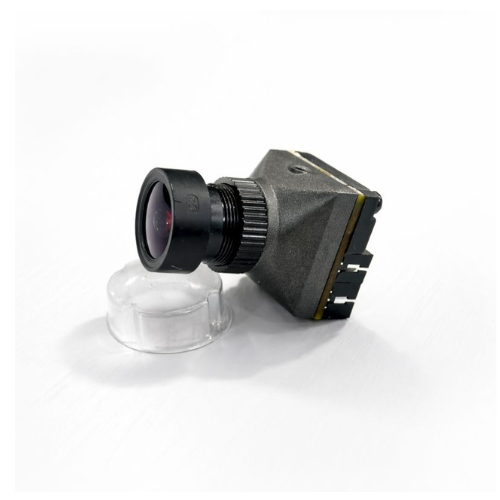
001-M
Positioning
High-end FPV camera designed for low-light and high-contrast environments.
Key Features
- 1/1.8” Large CMOS Sensor for superior light intake and image detail
- F1.0 Black-light Lens delivers clear imagery in extremely low illumination
- 1800TVL Resolution with strong detail rendering
- Wide Dynamic Range (WDR) for complex and backlit scenes
- Ultra-wide Voltage Input: 5–40V, compatible with various power systems
- Low Latency Analog Output for real-time FPV control
- Low Power Consumption & Heat Generation for stable long-term operation
Best For
Night flying, low-light FPV missions, and professional or engineering-grade UAV platforms
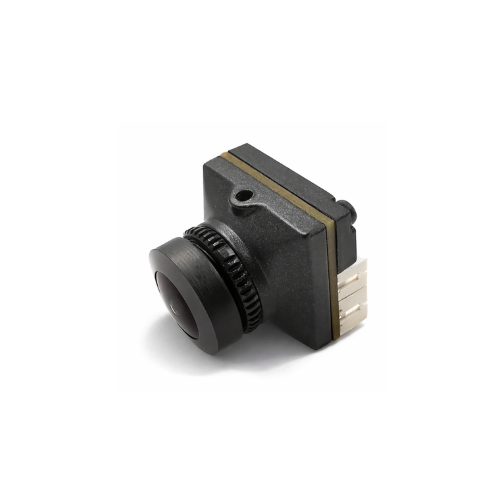
001-I
Positioning
Balanced FPV camera focusing on wide field of view and stable performance.
Key Features
- 150° Ultra-Wide FOV for enhanced spatial awareness
- 1/2.9” CMOS Sensor, optimized for general FPV use
- Low Latency ≤30 ms for responsive flight control
- WDR Support maintains visibility in high-contrast lighting
- Wide Voltage Input: 5–40V for flexible integration
- Compact 19×19×19 mm Form Factor with excellent mounting compatibility
- Low Heat, Stable Output
Best For
Racing FPV, freestyle flying, and applications requiring wide situational awareness
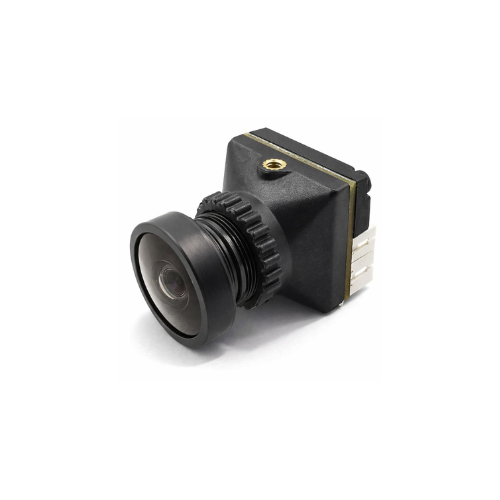
002-L
Positioning
Cost-effective FPV camera for entry-level and training applications.
Key Features
- 1/2.8” CMOS Sensor with 1500TVL resolution
- Low Latency ≤30 ms ensures smooth control
- Wide FOV: 125° for general FPV visibility
- Wide Voltage Input: 5–24V, suitable for standard FPV power systems
- Low Power Consumption & Stable Operation
- Compact Size for easy installation
Best For
Beginner FPV pilots, training drones, and cost-sensitive UAV projects
Typical Application Scenarios for Low-Light FPV Camera Modules
Low-light FPV camera modules are used when UAV, FPV, robotics, or embedded vision systems need usable image output in limited or changing illumination conditions.
Typical application scenarios include:
• Dusk or night FPV operation
For platforms that require stable visual feedback when ambient light is reduced.
• Shaded or low-illumination flight environments
For routes, test areas, or operating spaces where lighting is uneven or partially blocked.
• Indoor or enclosed-space visual feedback
For applications where the camera must maintain usable contrast under artificial or limited lighting.
• Low-light platform testing and integration
For engineering teams validating image behavior, latency, exposure stability, and receiver-side display usability before deployment.
The suitable module should be selected based on sensor size, lens aperture, field of view, voltage input, mounting space, signal path, and integration requirements.
Not Sure Which Low-Light Camera Module Fits Your Platform?
Share your operating environment, mounting space, voltage input, field-of-view requirement, and expected use case. Thyraon can review the requirement and recommend a suitable low-light FPV camera configuration.