
UGV & Robotics Vision Integration
Camera and video integration options for ground robots, UGV platforms, and robotics systems that need usable vision under motion, low-light conditions, power variation, and receiver-side workflow constraints.
Definition
What is UGV and robotics vision integration?
UGV and robotics vision integration means selecting and validating camera modules, video encoding, power input, streaming workflow, and display behavior so a ground robot can maintain usable visual feedback during motion, low-light operation, and long-duration deployment.
For ground robots, a clear camera image is not enough. The video must remain usable under low mounting height, vibration, power variation, low-light transitions, and receiver-side display constraints.
Typical Requirements
What robotics teams usually need to confirm
Low-mounted camera position
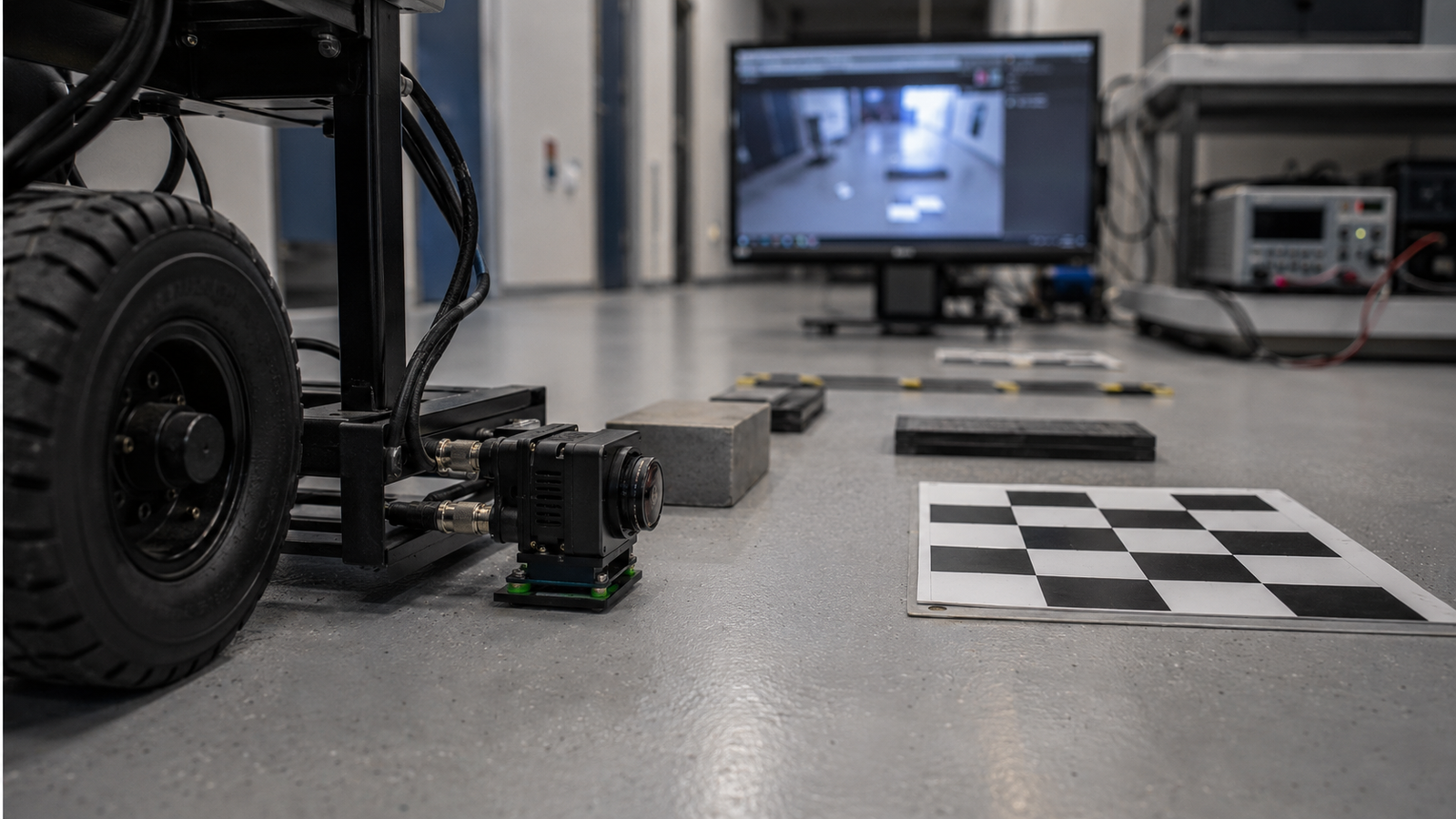
Ground robots often place cameras close to the ground, changing the field of view, obstacle visibility, and lighting behavior.
Low-light and mixed-light operation
Indoor corridors, warehouses, tunnels, and outdoor transitions can make brightness alone insufficient for usable vision.
Power and video stability
Motor load, battery fluctuation, and cable routing can affect video stability, packet behavior, and receiver-side usability.
Integration Risks
Where robotics vision integration usually fails
| Integration Area | Hidden Risk | Question to Confirm |
|---|---|---|
| Low-light image | The image may look bright but still lose detail, contrast, or motion usability. | What lighting condition, distance, target motion, and lens FOV should be tested? |
| Power input | Voltage fluctuation or electrical noise may cause video instability. | What voltage range and load variation exist on the robot platform? |
| Receiver workflow | The camera may output video, but the final operator display may freeze, buffer, or lag. | Which display, decoder, software, and streaming workflow will be used? |
| Mechanical integration | Mounting position, vibration, and cable routing may degrade field usability. | What size limit, mounting method, and cable direction are required? |
Relevant Thyraon Options
Product options that may fit this application
Low-light camera options
For robotics projects where video must remain useful in weak lighting, mixed lighting, or indoor-outdoor transition scenarios.
Embedded IP camera modules
For robots requiring network video output, encoding workflow, RTSP / WebRTC review, and compact embedded integration.
Video integration review
For engineering teams that need to check camera fit, voltage input, interface, video workflow, and repeatability before sample testing.
Selection Questions
Before requesting a robotics vision review
Robotics vision should be reviewed under the actual platform constraints, including camera position, lighting condition, power behavior, video output, and receiver-side display workflow.
Robot platform
What type of UGV or robotics platform is being built, and where will the camera be mounted?
Operating condition
Will the system operate indoors, outdoors, in low light, under vibration, or during long-duration use?
Video workflow
What voltage input, video output, streaming method, display, and software workflow must be supported?
Next Step
Review your robotics vision path before module selection.
Thyraon can help review camera fit, low-light needs, power input, video output, and receiver-side workflow for UGV and robotics projects.