
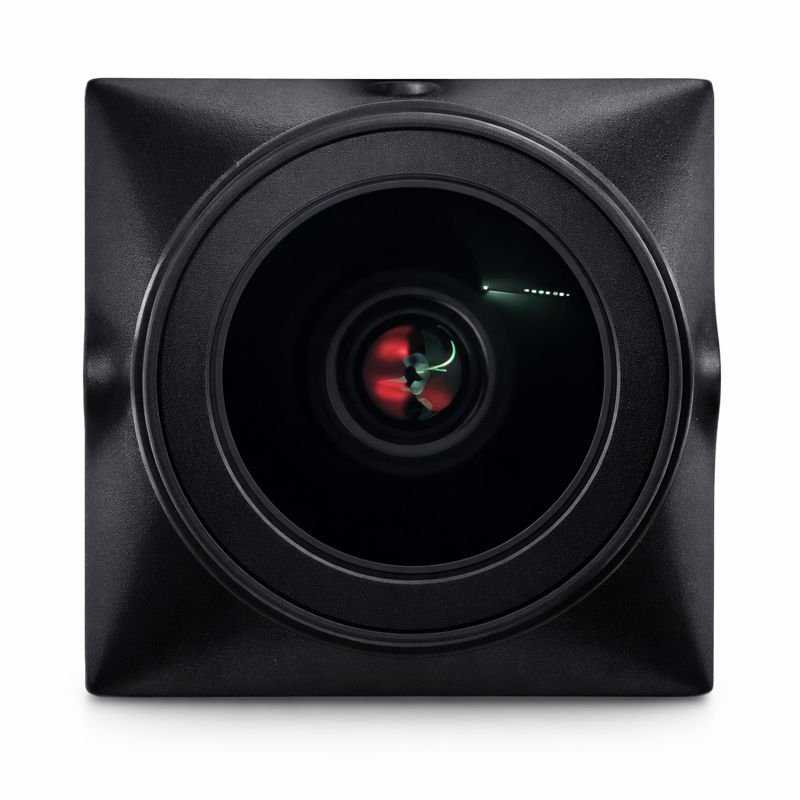
Thyraon FPV camera modules are designed for UAV, FPV, robotics, and embedded vision systems where low-latency video, stable image output, low-light usability, voltage tolerance, and integration fit affect real deployment performance.
These modules are suitable for engineering teams evaluating camera behavior after installation, including mounting space, power input, signal path, OSD requirements, receiver-side display workflow, and platform-side compatibility.
For projects requiring wider field of view, stronger low-light response, specific voltage input, or customized electrical and mechanical configuration, Thyraon can review the application and recommend an existing model or tailored setup.
Engineering Design Objectives for FPV Camera Modules
FPV camera modules should be evaluated by their behavior after installation, not only by image resolution. In UAV, FPV, robotics, and embedded vision applications, real performance depends on latency behavior, image stability, low-light usability, voltage tolerance, mounting fit, and signal output consistency.
Temel tasarım hedefleri tipik olarak şunları içerir:
• Low and predictable video latency across the camera-to-display path
• Stable image output during vibration, motion, and brightness changes
• Usable visibility in low-light or high-contrast environments
• Compact module structure for airborne and space-limited platforms
• Wide voltage tolerance for platform-side power variation
• OSD, signal, and interface compatibility for system integration
These factors help engineering teams determine whether a camera module can support real-time visual feedback after it is mounted, powered, connected, and integrated into the final platform.
How FPV Camera Modules Are Classified
Low-Light FPV Camera Modules
Low-light FPV camera modules are designed for dusk, night, shaded, or low-illumination environments where usable image detail is more important than headline resolution alone. They are typically evaluated by sensor size, lens aperture, noise control, contrast retention, and image stability under limited ambient light.
Wide-FOV FPV Camera Modules
Wide-FOV FPV camera modules are used when operators or vision systems need broader scene awareness during flight. They are typically selected for applications where field coverage, spatial perception, mounting position, distortion control, and real-time visual feedback affect platform usability.
How to Choose the Right FPV Camera Module
Choosing the right FPV camera module starts with the operating environment, not only with resolution. Engineering teams should first define the platform type, field-of-view requirement, low-light condition, voltage input, mounting space, OSD workflow, and signal path before selecting a model.
For UAV, FPV, robotics, and embedded vision applications, the most suitable camera module is usually determined by system-level behavior after installation: latency stability, image usability under motion, exposure response, interface fit, and receiver-side display performance.
If the application requires low-light visibility, wide-angle coverage, compact size, wide voltage tolerance, or customized electrical and mechanical configuration, Thyraon can review the requirement and recommend a suitable camera module or integration setup.
Need Help Matching a Camera Module to Your Platform?
Share your platform type, resolution target, power input, mounting space, OSD requirement, and expected use environment. Thyraon can help review whether a standard FPV camera module or a customized configuration is more suitable.