
Keep the detail.
As light changes.
Evaluate the scene information that reaches the pilot display under reduced illumination. Exposure, lens choice, movement and the receiving path all affect the result.
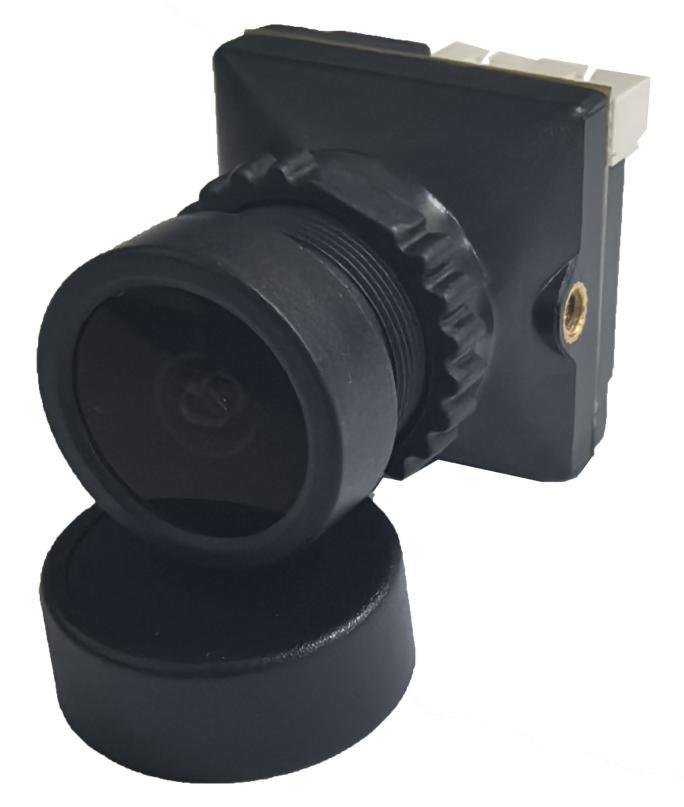
See the complete path.
Evaluation sequence only. The pictured visible-light module is a hardware reference; the image does not demonstrate low-light or night-flight performance.
- Light & sceneIllumination and contrast
- Lens & sensorExposure and captured detail
- Video pathTransport and image handling
- Pilot displayDetail in motion
The diagram describes a review path, not a claim that one module supplies every stage.
Define what must remain visible.
Describe the detail the pilot needs, the available light and the movement in the scene. A still image and a moving aircraft can impose very different exposure requirements.
- Illumination
- Record the light source, approximate level where available, and bright points in the scene. Keep the conditions consistent when comparing modules.
- Lens and framing
- Record aperture, field of view and the size of the detail in the image. Compare candidates with a documented lens configuration.
- Exposure and movement
- Check whether exposure time and gain preserve moving detail. Include turns, vibration and rapid changes in brightness in the controlled test.
- Image processing
- Review noise, retained texture, color / monochrome behavior and exposure recovery using the selected settings.
- Final display
- Inspect the received picture after the intended video link. Encoding, display settings and overlays may affect what the pilot can distinguish.
Make the comparison repeatable.
Use the same scene and receiving equipment for each candidate. Keep original recordings alongside the settings and lighting notes.
Establish a reference
Record the scene, lens, light source, exposure settings and the detail that must stay distinguishable.
Introduce movement
Repeat the sequence with movement and lighting transitions. Inspect blur, noise and the time needed to recover useful detail.
Review the received image
Judge the final display against the agreed criteria. A source-listed sensitivity value alone does not qualify an aircraft for night operation.
Find a product direction.
Discuss a visible-light candidate and its exact lens / mode. The FPV-003_O source lists reduced-illumination data, but its test conditions remain unconfirmed; the high-resolution direction also requires exact-model selection.
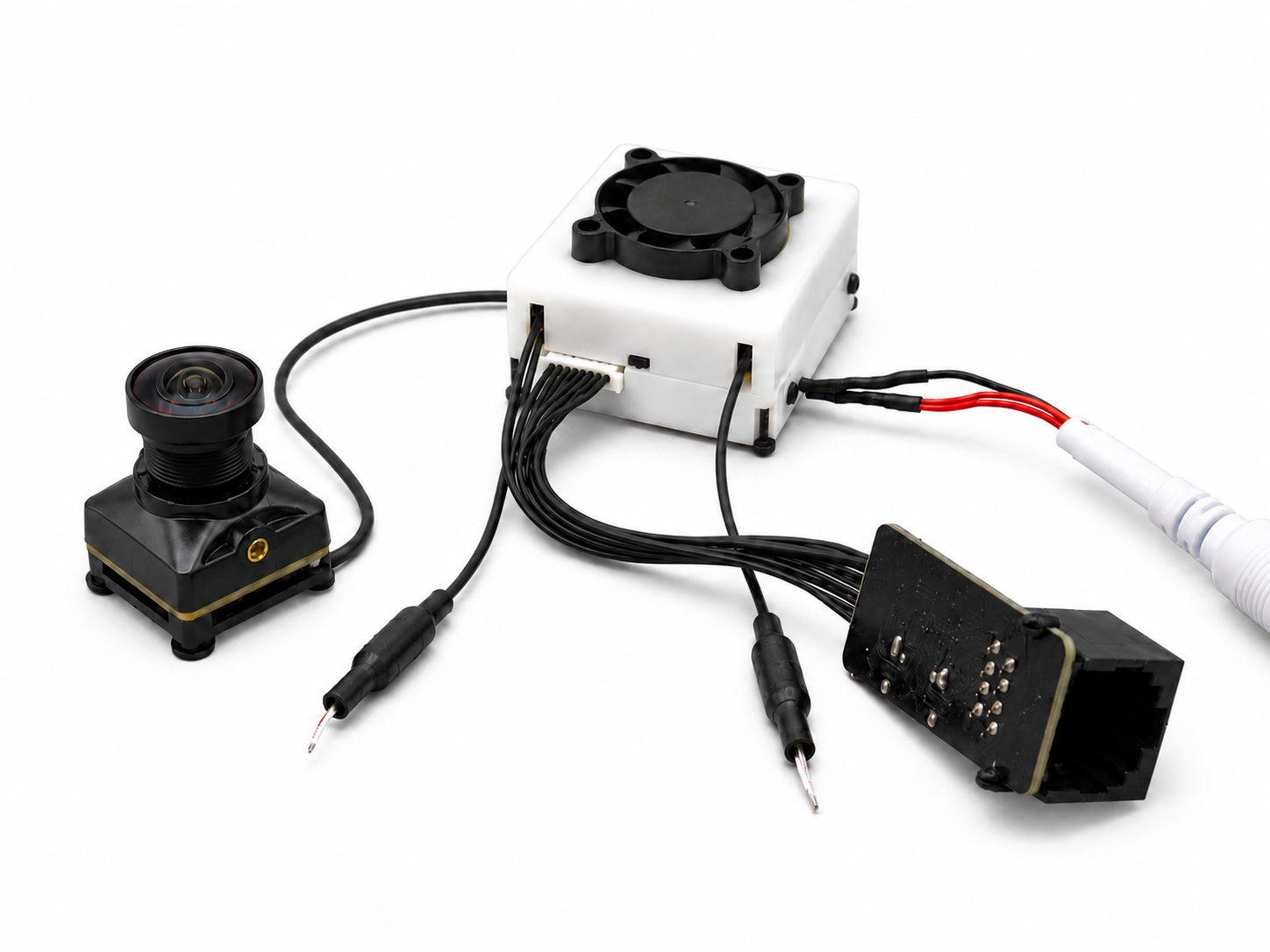
Bring these details.
Include the following information in your Support message. An incomplete design can still be reviewed; identify the decisions that remain open.
- Scene photographs or original evaluation footage
- Light sources and illumination notes
- Required detail, field of view and lens constraints
- Expected movement and exposure behavior
- Video link and display configuration
- Pass / fail criteria for the received image
Questions before selection.
A few distinctions that affect the module choice and the evidence needed for evaluation.
Does a low lux value guarantee usable flight video?
No. Aperture, exposure, gain, scene contrast and movement affect the result. Evaluate the intended configuration on the final receiving path.
Can the product photograph show night performance?
No. Product photography identifies hardware. Any performance comparison needs original scene footage with its test conditions.
Is a visible-light low-light module the same as thermal input?
No. They provide different scene information. If thermal input is required, review the thermal application and the selected thermal module separately.
Bring your FPV setup.
Start the review.
Use the Support form to share your equipment, required video input and integration questions. Include the product or application you are evaluating.