Резюме ответа
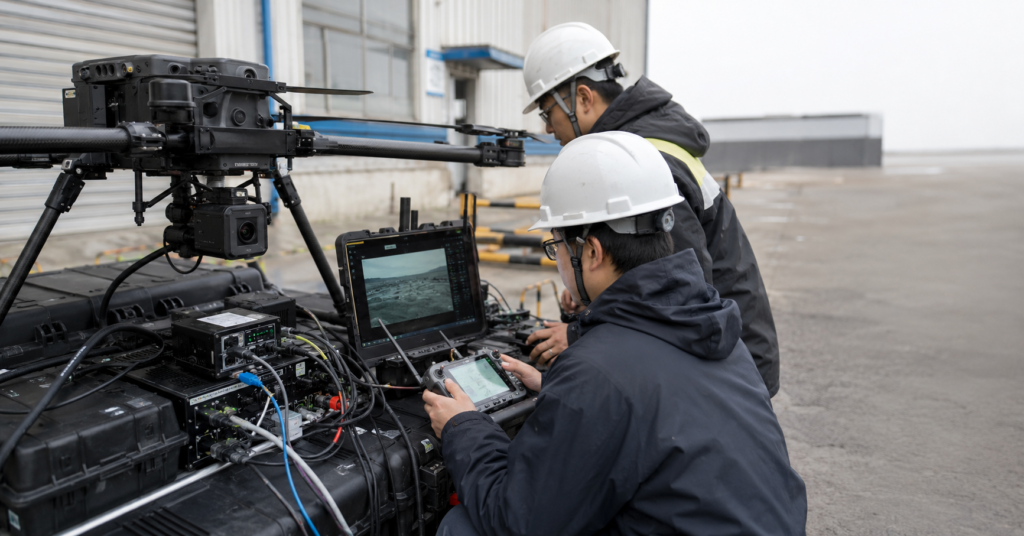
A clear image is not enough for FPV drone operation if the video feed cannot remain stable. Transmission stability should be evaluated across the full sensor-to-display workflow, including encoding, network behavior, protocol compatibility, decoding, and operator display.
Ключевое инженерное решение
A FPV drone video feed is reliable only when it remains stable across the full sensor-to-display workflow.
Краткий контрольный список оценки
Прежде чем доверять видеопотоку, инженеры должны подтвердить:
Какой кодек используется?
Можно ли настроить битрейт?
Какие протоколы поддерживаются?
Подходит ли поток к наземной станции или контроллеру?
Остается ли доставка кадров стабильной?
Остается ли задержка стабильной при изменении сети?
Сможет ли принимающая система надежно декодировать поток?
Четкого изображения недостаточно
Камера может давать резкое изображение и всё равно не пройти рабочий процесс.
In FPV drone systems, unstable transmission creates a deeper problem than temporary image loss.
Это подрывает доверие к системе.
Когда изображение начинает зависать, пропускать кадры, непредсказуемо задерживаться или становиться непоследовательным, оператор начинает колебаться. Изображение может вернуться. Система может оставаться подключенной. Но уверенность уже снижена.
Для работы в реальном времени стабильность передачи не второстепенна.
Это часть надежности решения.
Определение: Стабильность передачи
Стабильность передачи — это способность видеосистемы поддерживать согласованную, пригодную для использования визуальную обратную связь по всей цепочке от захвата датчиком до отображения оператором.
Цепочка обычно включает:
датчик → кодер → сеть → протокол → декодер → дисплей → решение оператора
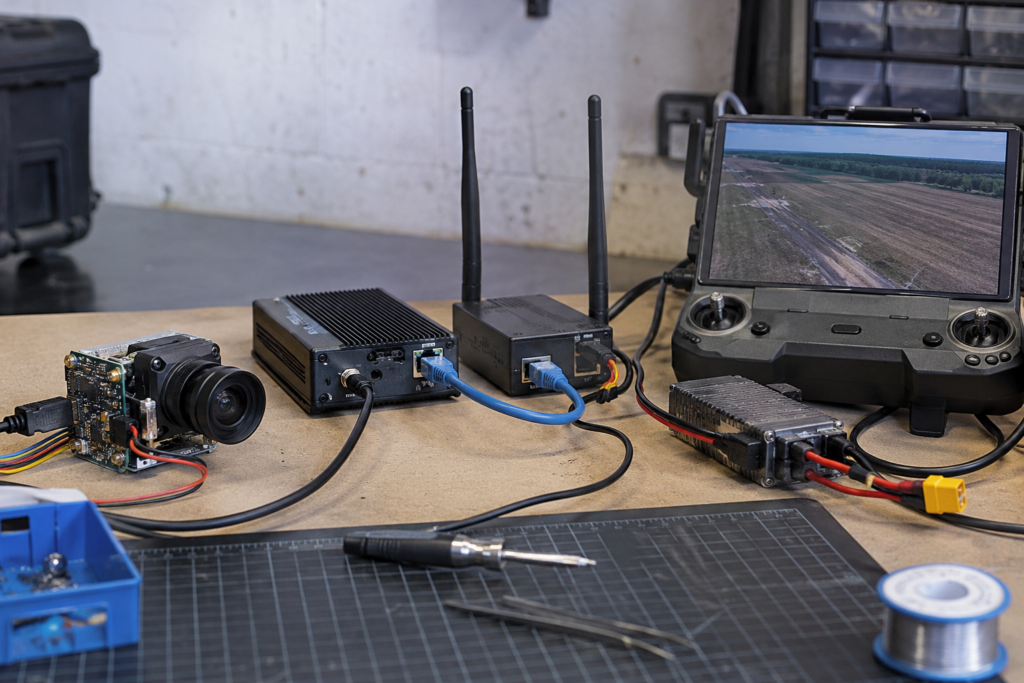
Если одна часть этой цепочки становится нестабильной, всем рабочим процессом становится труднее доверять.
Вот почему инженеры не должны оценивать модули камер только по качеству изображения.
Четкое изображение, которое появляется непоследовательно, ненадежная визуальная обратная связь.
Почему нестабильное видео создает операционный риск
Нестабильная передача влияет на поведение, а не только на внешний вид изображения.
Когда корм непостоянен, оператор может:
регулирование задержки ввода
уменьшить скорость движения
избегать точного позиционирования
повторные проверки пройдено
терять уверенность в полезной нагрузке
прервать миссию досрочно
переключиться на резервный метод
Видеопоток не обязательно должен полностью отключаться, чтобы вызвать проблемы.
Если это станет непредсказуемым, это уже увеличит операционную неопределенность.
Почему только качество изображения — неправильный показатель
Многие команды оценивают модуль, задавая вопрос:
“Насколько четкое изображение?”
Это неполно.
For FPV drone systems, engineers should also ask:
Стабильный ли поток?
Постоянна ли задержка?
Надежна ли доставка кадров?
Подходит ли битрейт?
Подходит ли протокол к системе?
Может ли видео быть декодировано в существующем рабочем процессе?
Остается ли производительность стабильной в целевых условиях?
Изображение высокого разрешения, которое не может надежно передаваться по системе, не является высококачественным решением.
Это частичное решение.
Что должны тестировать инженеры
- Кодирующее поведение
Подтвердите, поддерживает ли модуль требуемый кодек, битрейт, частоту кадров и разрешение.
- Совместимость протоколов
Check whether the stream fits the FPV receiver, display or OSD workflow.
- Согласованность кадра
Следите за зависаниями, пропуском кадров, неравномерным движением или нестабильным таймингом.
- Сетевое поведение
Тестирование при ожидаемых условиях пропускной способности и сигнала.
- Сквозной рабочий процесс
Оцените полный путь от захвата до вывода на экран.
- Условия, подобные полям
Не полагайтесь только на тесты чистой лабораторной сети.
Стабильность передачи — это проблема рабочего процесса, а не только спецификация камеры.
Что спросить у поставщика
Прежде чем выбирать модуль встраиваемого зрения, спросите:
Какие стандарты сжатия видео поддерживаются?
Поддерживает ли модуль H.264 или H.265?
Можно ли настроить битрейт?
Поддерживает ли система RTSP, WebRTC или другие необходимые протоколы?
Совместим ли поток с целевой наземной станцией или контроллером?
Было ли протестировано программное обеспечение при изменяющихся сетевых условиях?
Может ли поставщик настроить нашу производственную среду?
Эти вопросы показывают, продает ли поставщик камеру или поддерживает рабочую систему.
Где Тираон уместен
Thyraon is relevant when a FPV drone project requires configurable streaming, low-latency video behavior, bitrate control, and protocol compatibility.
В зависимости от выбранного модуля и требований проекта, опции модуля Thyraon могут поддерживать сжатие H.264/H.265, управление битрейтом CBR/VBR, потоковую передачу RTSP/WebRTC, Ethernet-соединение и поддержку интеграции на уровне рабочего процесса.
Точная конфигурация должна быть подтверждена на основе целевого протокола, состояния сети, принимающей системы, разрешения, частоты кадров и среды развертывания.
Инженерное заключение
A FPV drone video feed is not reliable because it is clear. It is reliable only when it remains stable across the full sensor-to-display workflow.
Вопрос не только в том, может ли камера снять изображение.
Вопрос в том, сможет ли система доставить это надежно.
ЧАСТО ЗАДАВАЕМЫЕ ВОПРОСЫ
Отличается ли стабильность передачи от качества изображения?
Да. Качество изображения описывает детали видимого изображения. Стабильность передачи описывает, остается ли видеопоток постоянным и пригодным для использования во всей системе.
Почему важна совместимость протоколов?
Because the video feed must be usable inside the customer’s FPV receiver, display and operator workflow.
Всегда ли достаточно RTSP?
Не всегда. RTSP может подойти для одних рабочих процессов, в то время как WebRTC или другие подходы могут подойти для других. Правильный протокол зависит от среды развертывания.
Должна ли трансмиссия тестироваться перед выбором оборудования?
Да. Поведение при передаче данных может повлиять на весь план интеграции, поэтому его следует оценивать на ранней стадии.
Призыв к действию
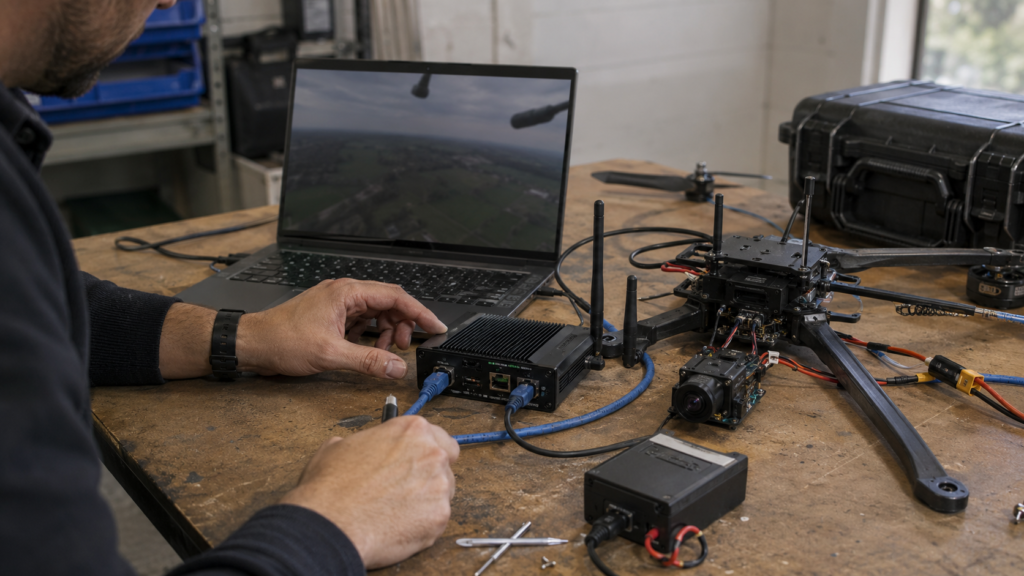
Need to check whether your video stream fits your FPV drone workflow?
Поделитесь вашим целевым протоколом, разрешением, частотой кадров, сетевыми условиями и принимающей системой. Thyraon может помочь с проверкой совместимости потоковой передачи для вашего рабочего процесса встроенного зрения.